19 Sep 2026
How Algorithmic Tweaks Influence Availability Patterns for Complimentary Spins in Mobile Gaming Ecosystems
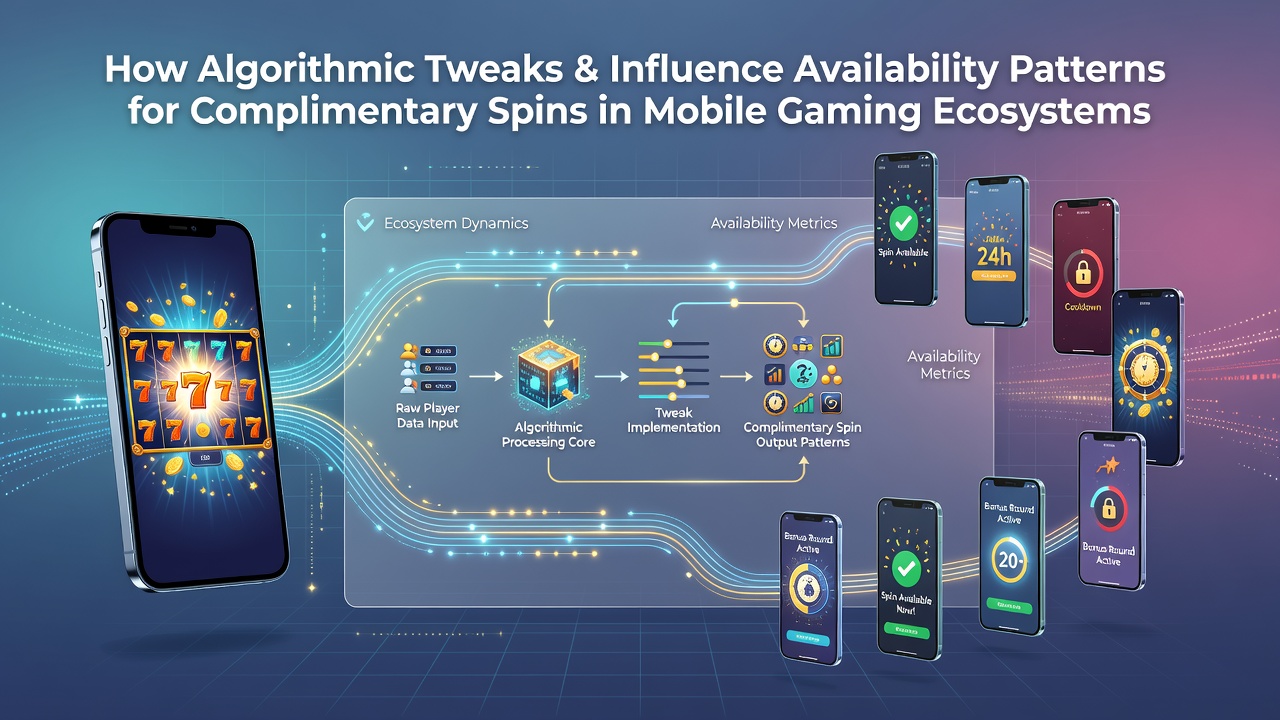
Algorithmic systems in mobile gaming platforms adjust parameters that control complimentary spin availability through continuous analysis of user engagement metrics, session lengths, and retention signals, and these adjustments create observable patterns across different device ecosystems. Developers implement machine learning models that process real-time data streams to modify spin distribution frequencies, while regulatory frameworks in various jurisdictions require transparency around such automated decision processes.
Core Mechanisms Behind Distribution Adjustments
Platform operators deploy predictive models that evaluate player activity patterns and then recalibrate the probability thresholds for complimentary spin releases, and these models draw from historical datasets that include login times, in-app purchase behaviors, and progression rates within individual titles. Research from academic institutions shows that minor parameter shifts in these models can alter spin availability windows by several percentage points within a single update cycle, particularly when engagement metrics fall below predefined benchmarks.
Engineers incorporate feedback loops that respond to aggregate user cohorts rather than isolated accounts, which means availability patterns often shift simultaneously across large user segments during scheduled optimization runs. Data compiled by industry monitoring groups indicates that such cohort-based adjustments occur most frequently during evening peak hours in North American markets, whereas European servers tend to schedule similar recalibrations during midday lulls.
Observed Patterns Across Geographic Regions
Canadian regulatory filings from 2025 document how provincial oversight bodies track algorithmic outputs in licensed mobile titles, and these records reveal seasonal spikes in complimentary spin releases that align with model retraining events rather than promotional calendars. Observers note that similar correlations appear in Australian market reports, where availability clusters during periods of lower average session duration, suggesting the underlying systems prioritize re-engagement triggers over uniform distribution.
In September 2026, updated compliance guidelines from multiple jurisdictions emphasized the need for audit trails that log every parameter change affecting spin mechanics, which has prompted developers to publish quarterly summaries of model performance indicators. Those summaries demonstrate that even small weight adjustments within reinforcement learning frameworks can extend or contract average availability intervals by measurable margins across both iOS and Android environments.
Technical Factors Driving Variability
Mobile operating system constraints influence how frequently backend servers can push revised probability tables to client devices, and this creates additional layers of variability because delayed updates allow interim patterns to persist longer than intended. Studies conducted by research consortia highlight that titles using edge-computing techniques for partial model execution experience fewer abrupt availability changes compared with those relying exclusively on centralized cloud inference.
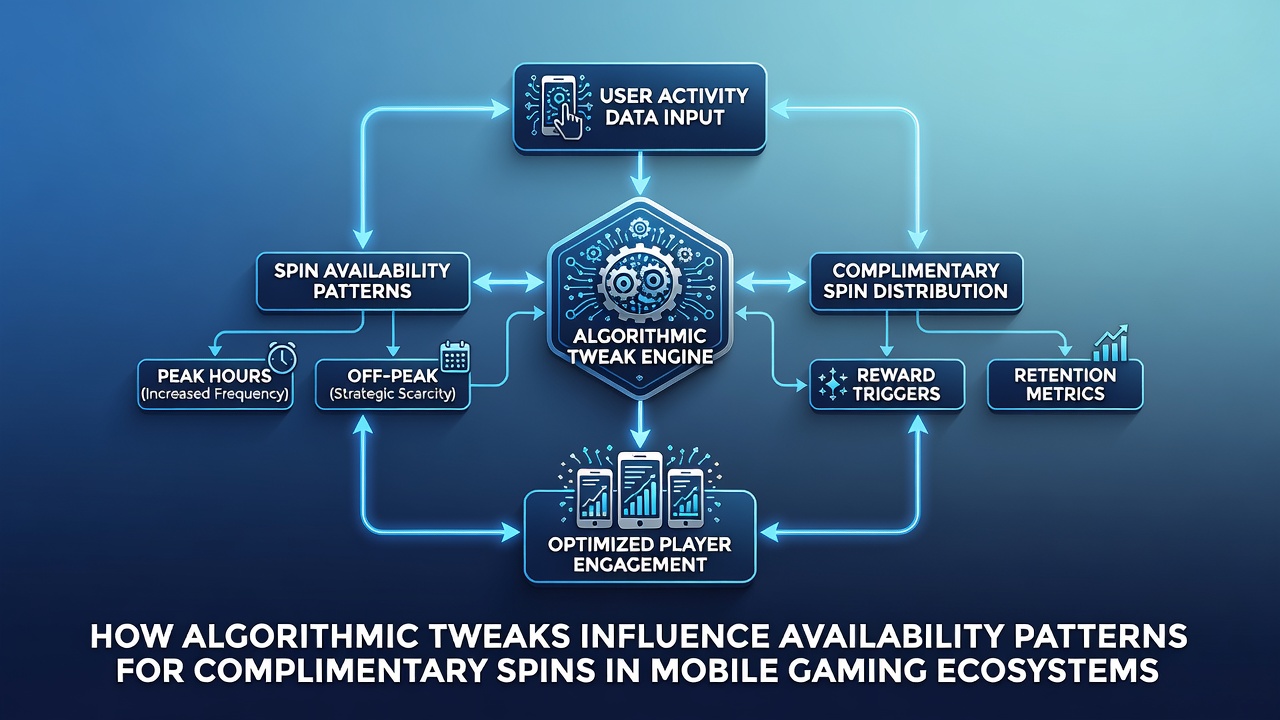
Device-specific telemetry, including battery levels and network stability readings, feeds into secondary decision trees that further modulate spin release timing, and these secondary systems interact with primary engagement models to produce compound effects. Figures released by international gaming technology associations confirm that battery-aware throttling accounts for a measurable share of observed availability fluctuations in regions with variable connectivity infrastructure.
Regulatory and Industry Data Sources
Reports issued by the Australian Gambling Research Centre track longitudinal changes in mobile bonus mechanics and link specific algorithmic revisions to shifts in player return rates. Parallel documentation from the National Center for Responsible Gaming in the United States examines how transparency requirements affect the frequency and documentation of model updates in licensed applications.
These sources collectively illustrate that availability patterns do not remain static following a single code deployment, because ongoing A/B testing frameworks continue to refine distribution logic throughout the lifecycle of each title. Platform operators maintain internal dashboards that surface the cumulative impact of successive tweaks, allowing teams to correlate specific parameter modifications with downstream availability metrics.
Conclusion
Algorithmic refinements continue to reshape complimentary spin availability through layered interactions between engagement prediction, device telemetry, and regulatory reporting mandates, and the resulting patterns reflect both technical constraints and oversight requirements across global markets. Ongoing documentation from research bodies and industry groups provides the primary means for tracking these dynamics as mobile gaming ecosystems evolve.