14 Nov 2026
How Regional Policy Updates Reshape Reward Distribution Patterns Among Different User Groups in Mobile Gaming Platforms
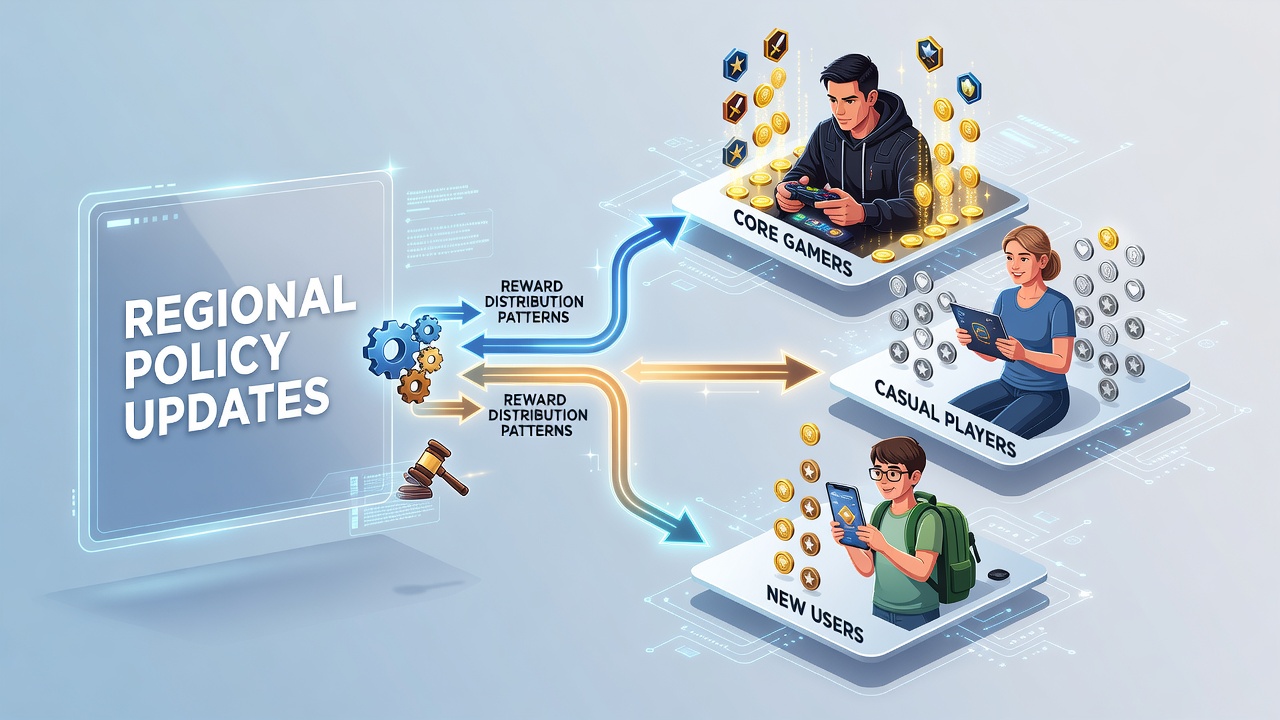
Regional policy updates continue to influence how mobile gaming platforms allocate rewards such as in-app bonuses, virtual currency packs, and progression incentives, with effects that vary across user groups defined by location, age brackets, and spending behaviors. Data from regulatory filings indicate that adjustments in tax structures, consumer protection rules, and digital market access requirements have prompted platforms to recalibrate eligibility criteria and distribution frequencies since early 2025, with further implementations scheduled for November 2026 in select jurisdictions.
Policy Developments Across Key Markets
European Union directives on digital services have required platforms to adjust reward visibility and eligibility disclosures, which in turn has altered how frequently casual users in member states receive targeted offers compared with high-volume players. Observers note that these changes stem from mandates aimed at transparency rather than outright restrictions on bonus mechanics, leading companies to segment rewards more precisely by user residency data. In parallel, Canadian provincial frameworks have introduced licensing tiers that tie reward mechanics to responsible gaming metrics, resulting in differentiated access patterns where users in regulated provinces encounter modified daily login incentives versus those in areas with lighter oversight.
Australian legislation effective through 2026 has imposed caps on certain loot-style reward systems, prompting platforms to redirect resources toward achievement-based distributions that favor consistent engagement over randomized drops. Figures from industry compliance reports reveal that this shift has increased the share of rewards directed at mid-tier spenders while reducing availability for new accounts in affected regions. Meanwhile, updates in several Asian markets have focused on cross-border data flows, which has influenced how global platforms verify user locations before issuing region-specific promotions.
Shifts in Allocation by User Demographics
Analysis of platform telemetry shows that policy-driven segmentation now produces measurable differences in reward receipt rates among age groups. Younger users in jurisdictions with stricter advertising rules often see fewer entry-level bonuses, whereas adult cohorts receive adjusted offers tied to verified spending histories. Researchers tracking these patterns have documented that platforms respond by weighting algorithms toward retention metrics that comply with local guidelines, which disproportionately affects distribution speed for low-activity accounts versus daily players.
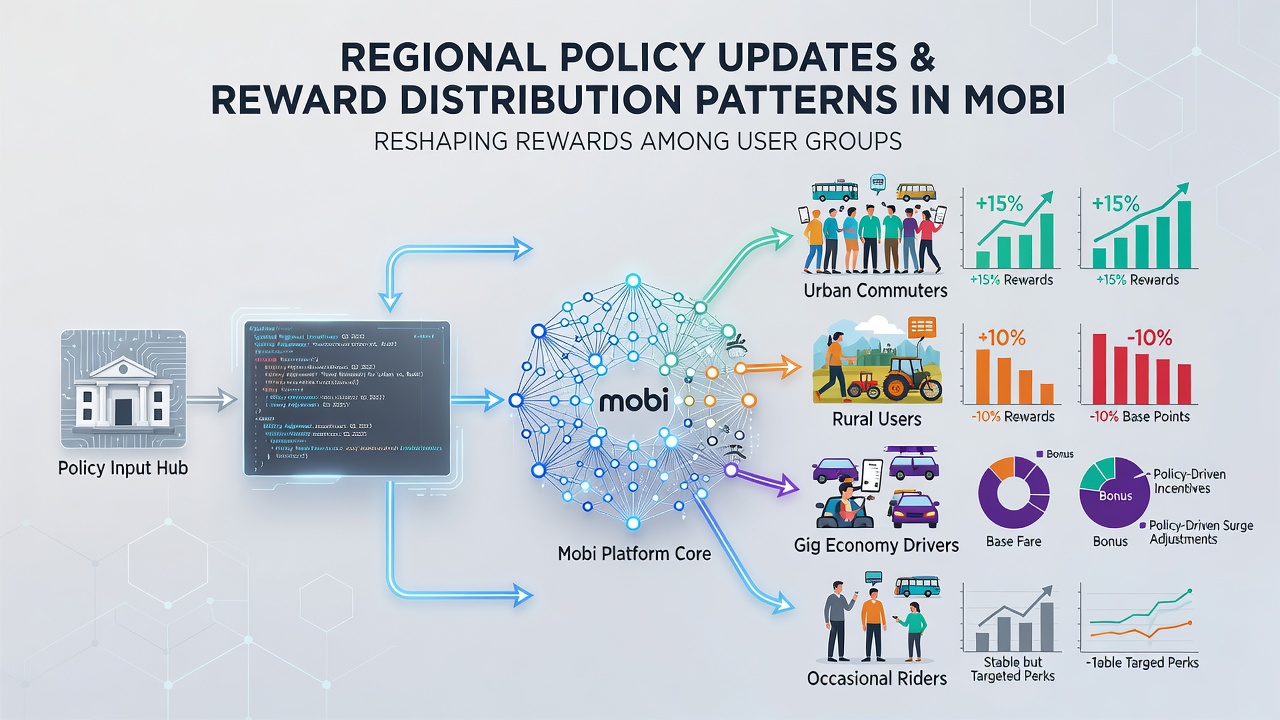
Geographic location further compounds these effects. Users in regions with higher tax burdens on digital transactions receive rewards structured around longer progression timelines, while those in lower-regulation zones encounter more frequent micro-bonuses. Studies compiled by trade associations demonstrate that this creates divergence between urban and rural player cohorts within the same national boundaries, as location verification systems feed into eligibility filters. Spending behavior adds another layer, with platforms limiting certain premium rewards to verified high-value accounts to align with consumer protection thresholds introduced in multiple markets during 2025.
Platform Adaptations and Data Patterns
Mobile gaming operators have responded to these policy layers by deploying dynamic systems that adjust reward pools based on real-time regulatory signals. According to reports from the US Federal Trade Commission, such adaptations have led to measurable changes in how free-to-play versus paying users access event-based incentives, with paying users in certain states seeing accelerated reward cycles to offset reduced promotional density. Platforms also integrate feedback loops from user verification processes, which refine targeting and reduce mismatches that previously triggered compliance reviews.
Quantitative reviews released by the OECD Digital Economy Outlook series highlight that reward frequency for returning users has increased in markets with harmonized rules, while new user acquisition bonuses have contracted in regions emphasizing age verification. These adjustments reflect platforms' efforts to maintain engagement metrics without violating updated distribution guidelines, and they produce distinct patterns across demographic slices tracked through aggregated analytics.
Conclusion
Regional policy updates through November 2026 continue to drive differentiated reward distribution across mobile gaming user groups by enforcing location-specific rules, transparency requirements, and spending-related thresholds. Evidence from compliance data and platform metrics indicates that these changes manifest as varied access rates and timing for different demographics, with operators adapting through refined segmentation rather than uniform offerings. The resulting patterns reflect ongoing alignment between regulatory environments and technical distribution mechanisms across global markets.