17 Oct 2026
Regulatory Influences on Bonus Eligibility Criteria in European Digital Gaming Markets
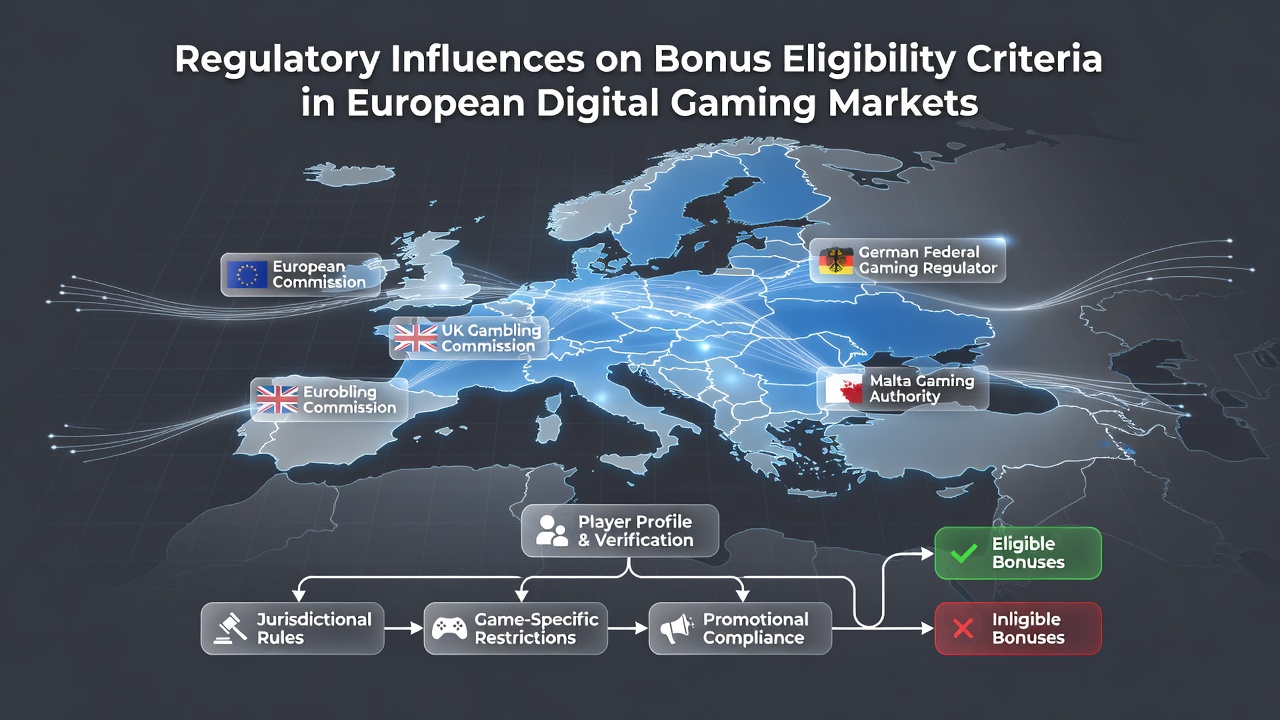
European digital gaming markets operate under layers of national and supranational rules that directly shape bonus eligibility criteria for players, and these frameworks continue to evolve as authorities refine consumer protection measures. Regulators across member states require operators to verify player identity, age, and location before any promotional credits or free spins become accessible, while anti-money laundering directives impose additional checks that can delay or restrict bonus activation for certain accounts.
Core Regulatory Mechanisms Across the Region
Eligibility rules often stem from directives on responsible gaming and data protection, which mandate that operators exclude individuals on self-exclusion lists and apply geofencing technology to prevent access from restricted jurisdictions. Data from the European Gaming and Betting Association shows that operators must integrate real-time verification systems, and failure to do so results in license penalties that affect bonus program availability. Those who study these systems note that bonus criteria now frequently include mandatory cooling-off periods after initial registration, a requirement introduced to curb impulsive play across multiple platforms.
Country-Specific Variations in Bonus Restrictions
Germany's Interstate Treaty on Gambling enforces strict deposit limits and bonus caps that limit eligibility to players who have completed full account verification within a set timeframe, whereas the Netherlands applies similar standards through its Kansspelautoriteit oversight body. Observers note that both jurisdictions require operators to tie bonus offers to verified bank accounts, which reduces the pool of eligible users during the first weeks of activity. In contrast, Malta's regulatory environment permits more flexible bonus structures provided operators maintain robust player protection protocols, yet even there eligibility still hinges on documented proof of age and residency.
Recent Developments Entering Late 2026
By October 2026 several jurisdictions plan to roll out updated technical standards for bonus systems that will require automated exclusion of accounts flagged for suspicious activity, and these changes build on existing know-your-customer obligations. Research indicates that such measures will standardize eligibility thresholds across borders, making it harder for operators to offer differentiated promotions without triggering compliance reviews. Figures from industry reports reveal that operators have already begun adjusting their bonus terms to align with the forthcoming requirements, particularly around minimum wagering periods and maximum bonus values tied to verified income levels.
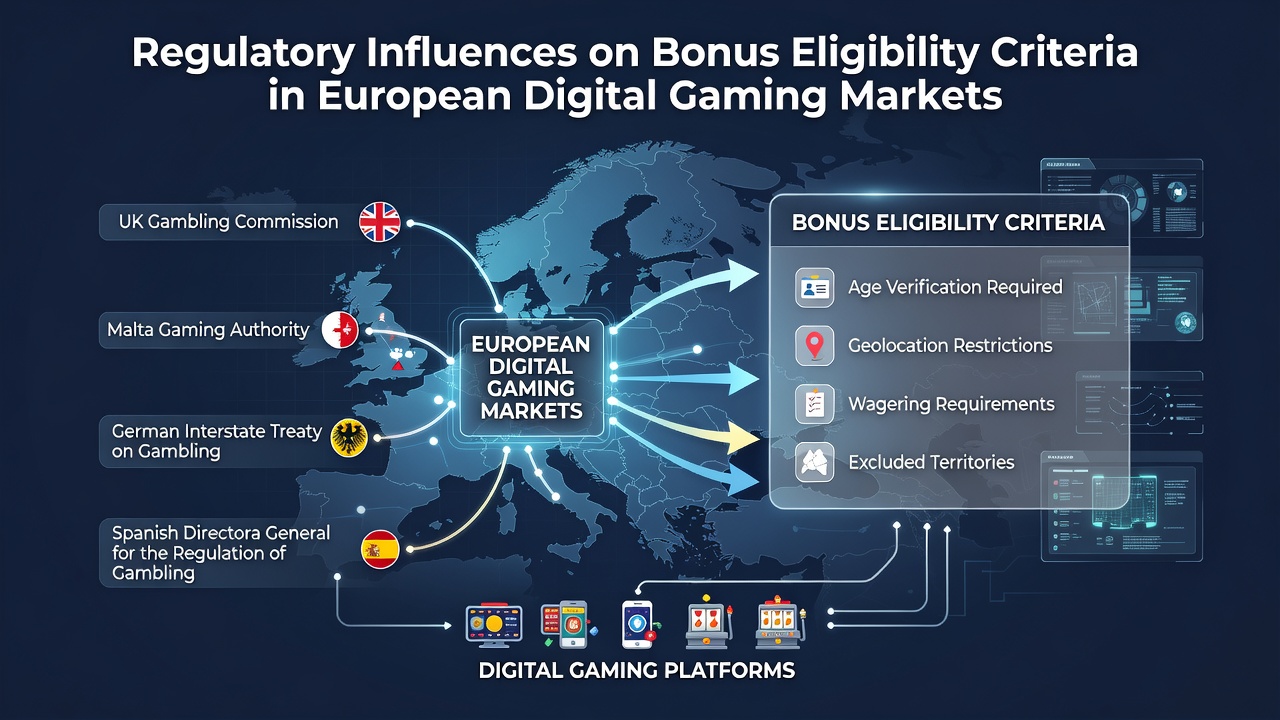
Academic studies on digital gaming behavior further highlight that these regulatory shifts influence how platforms structure loyalty programs, since eligibility for ongoing rewards often depends on sustained compliance with verification protocols. One study revealed that players who complete identity checks early gain access to broader bonus tiers, while delayed verification restricts participation in time-limited promotions. The reality is that operators now embed these eligibility gates into their software from the outset, rather than layering them on after launch.
Impact of Anti-Money Laundering and Data Rules
AML directives require continuous monitoring of bonus-related transactions, and this creates additional eligibility filters based on transaction patterns and source of funds documentation. Experts have observed that accounts showing rapid deposit-and-withdrawal cycles often face temporary bonus suspensions until further checks conclude. Those who have examined enforcement actions across multiple markets find that repeated compliance failures lead to broader restrictions on promotional activities for entire operator portfolios. What's significant is that these rules apply uniformly regardless of whether a player seeks a welcome bonus or a recurring loyalty reward, so the same verification hurdles appear at multiple points in the player lifecycle.
Industry Adaptation and Technical Responses
Operators respond to these regulatory pressures by deploying API connections to national self-exclusion databases and centralized verification services, which automatically determine bonus eligibility at the point of offer. Industry associations report that integration of such systems has reduced the number of ineligible bonus claims processed each month, although the initial setup costs remain substantial for smaller platforms. Research from university-led gaming policy centers shows that markets with centralized verification databases experience fewer disputes over bonus access compared with those relying solely on operator-level checks.
Conclusion
Regulatory influences continue to standardize bonus eligibility criteria throughout European digital gaming markets, with verification requirements, deposit limits, and transaction monitoring forming the backbone of current frameworks. As updates scheduled for October 2026 take effect, operators will need to maintain even tighter alignment between their promotional systems and compliance protocols to avoid penalties. The result is a landscape where eligibility depends less on marketing discretion and more on documented adherence to cross-border and national rules that prioritize player protection and financial integrity.