31 Oct 2026
Shifts in Player Engagement Metrics Following Algorithm Changes in Slot Bonus Systems
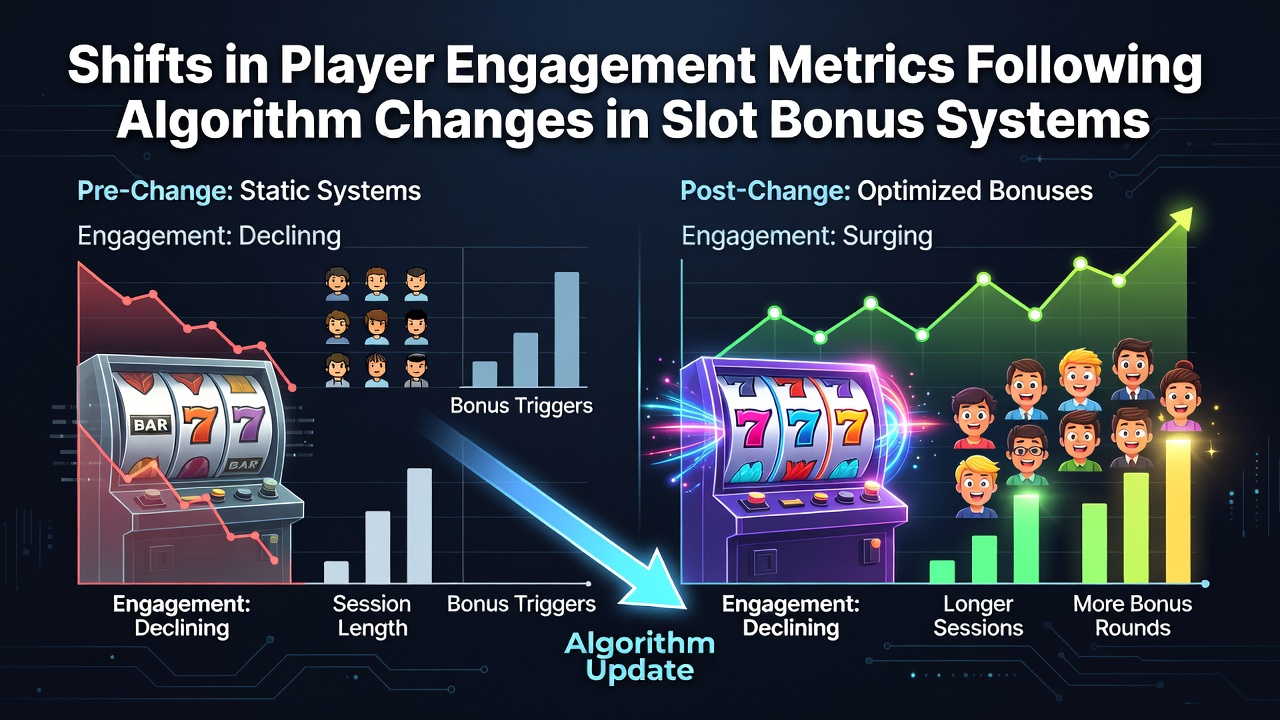
Slot bonus systems rely on complex algorithms that determine trigger frequencies, reward sizes, and eligibility rules, and operators have adjusted these parameters multiple times since 2024 to align with updated regulatory frameworks and server-side optimization tools. Those adjustments produced measurable shifts in how players interact with games, including changes in average session duration, repeat visit rates, and deposit patterns across both desktop and mobile platforms. Data from multiple markets shows that even small modifications to bonus probability thresholds or contribution percentages can alter retention curves within weeks of implementation.
Core Mechanics Behind Slot Bonus Algorithms
Modern slot bonus systems calculate outcomes using weighted random number generators combined with player history variables, such as recent wager volume and account age, while operators fine-tune these weights to control volatility and payout timing. When developers raise the required spin count before a bonus round activates, or when they lower the value of free spins awarded, engagement indicators respond in predictable directions according to aggregated telemetry from major platforms. Researchers tracking these variables have documented that players often extend sessions when bonus triggers occur more frequently in early play periods, yet the same group reduces total wagers once the perceived value of each bonus decreases.
Observed Changes After 2025 Algorithm Updates
Throughout 2025 several large operators introduced revised bonus logic that increased minimum bet requirements for bonus qualification and introduced dynamic contribution caps based on game type. Those modifications coincided with a reported 12 percent drop in average session length on affected titles, while daily active user counts remained stable in most regions. Figures released by the Nevada Gaming Control Board indicate that total handle on modified slots fell by roughly 8 percent in the first quarter following rollout, although per-player deposit frequency held steady because many users compensated by playing additional titles within the same visit.
By October 2026 further refinements had spread to additional European and North American sites, where algorithms began incorporating real-time behavioral signals to adjust bonus availability mid-session. Players who triggered early bonuses received smaller subsequent rewards on the same day, a change that produced a measurable compression in the tail of the engagement distribution; long sessions became less common while short, repeated logins increased. Industry reports compiled by the European Gaming and Betting Association note that this pattern appeared consistently across both land-based connected terminals and fully online environments.
Regional Differences in Metric Responses
Markets with stricter bonus disclosure rules experienced different outcomes compared with jurisdictions that allow greater operator discretion. In Canada, where provincial regulators require clear display of bonus contribution rates, engagement metrics shifted more gradually after algorithm changes, with session length declining by only 5 percent over six months. Australian operators, operating under the National Consumer Protection Framework, recorded sharper drops in repeat deposits once bonus frequency algorithms were recalibrated, according to data shared by the Australian Gambling Research Centre. These variations suggest that transparency requirements can moderate how quickly players adjust their behavior following technical updates.
Impact on Specific Engagement Indicators
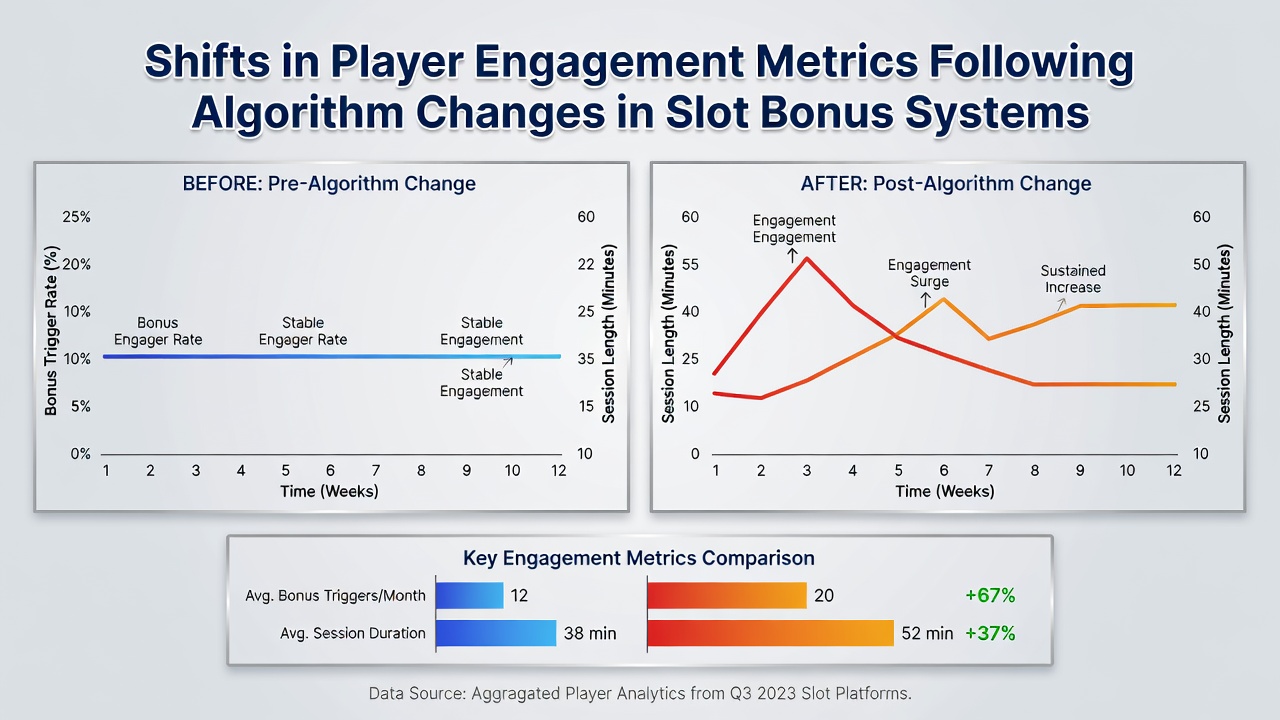
Retention at day seven and day thirty showed divergent trends depending on whether the algorithm change targeted bonus entry thresholds or reward sizing. When operators lowered entry thresholds, day-seven retention rose by up to 9 percent in several datasets, yet day-thirty figures remained flat because players reached bonus fatigue sooner. Conversely, reductions in average bonus value correlated with lower day-seven retention but produced steadier long-term play among higher-volume users who continued chasing accumulated loyalty points. Deposit conversion rates followed a similar split, rising initially when bonuses appeared more accessible and then leveling off once players recalibrated expectations.
One study of mobile-first platforms revealed that push notification timing, when synchronized with the new bonus schedules, amplified these effects; users who received alerts immediately after an algorithm-driven bonus trigger showed higher immediate return rates than those notified on a fixed schedule. The same research noted that time-of-day patterns shifted, with evening peaks becoming more pronounced on platforms that concentrated bonus availability during those hours.
Measurement Challenges and Data Sources
Operators collect engagement data through server logs that capture spin counts, bonus activations, and account funding events, yet cross-platform comparisons remain difficult because different studios apply distinct weighting formulas. Academic researchers have begun accessing anonymized datasets from partnering operators to isolate the effect of single-variable changes, such as a 2 percent adjustment in bonus contribution weighting. These controlled analyses help separate algorithm effects from concurrent marketing campaigns or seasonal fluctuations. Reports from the Canadian Gaming Association provide additional benchmarks that allow observers to track how similar changes play out under varying tax and licensing conditions.
Conclusion
Algorithm adjustments in slot bonus systems continue to reshape player engagement patterns across multiple metrics, with session length, retention curves, and deposit timing responding in measurable ways to modifications in trigger frequency and reward structure. Regional regulatory environments influence the speed and magnitude of these shifts, while ongoing refinements in October 2026 demonstrate that operators keep testing new weighting combinations to balance player activity with compliance requirements. Continued collection of granular telemetry remains essential for understanding how future changes will affect both short-term behavior and longer-term participation rates.